Medical doctors and Surgeons
Seno Sereno: Prevention, Breast Reconstruction and Coordinated Care Pathways

Having a breast examination, receiving a diagnosis or considering breast reconstruction means navigating consultations with different specialists, appointments and important decisions. This journey can become complex, particularly when clinical needs are accompanied by doubts, fears and personal expectations.
Seno Sereno was developed at Clinica Dardano, in the province of Modena, to offer women more coordinated care by bringing together expertise in radiology, breast surgery and plastic surgery.
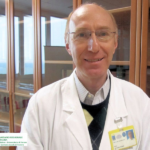
Dr Pietro Loschi, a plastic, reconstructive and aesthetic surgeon, explains the project. Following extensive experience at the European Institute of Oncology in Milan, he helped create a care pathway focused on both breast health and each woman’s individual needs.
Bringing specialists together for “Seno Sereno”
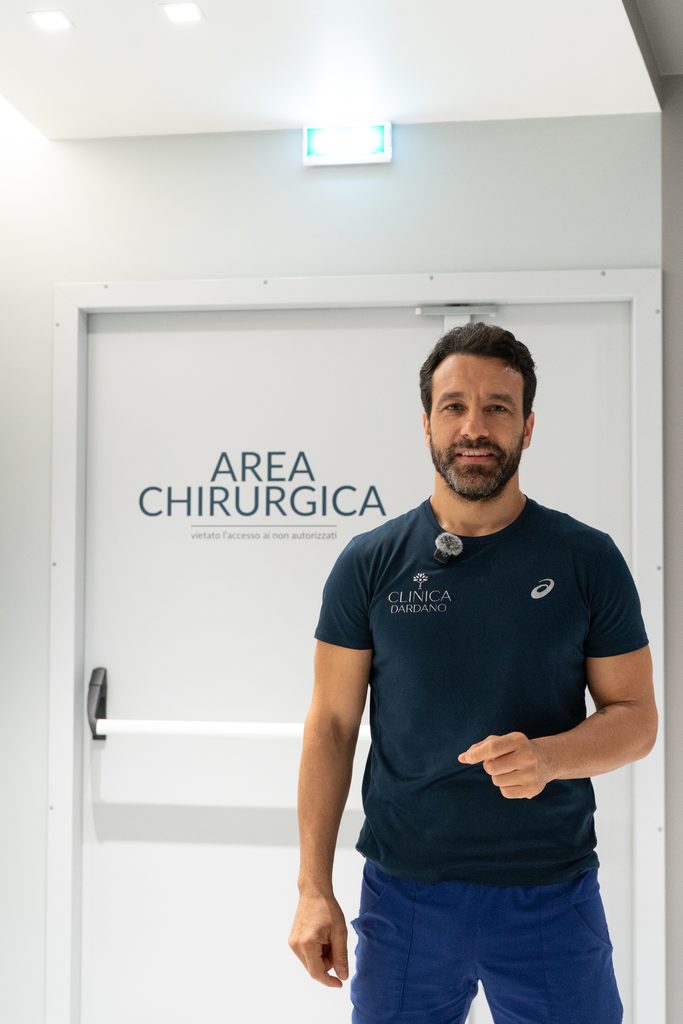
“Seno Sereno began one Sunday morning when my sister Gloria and I were discussing how to recreate, within our clinic, a multidisciplinary care pathway similar to the one we had in hospital,” the surgeon recalls.
The project involves radiologists specialising in breast imaging, a breast surgeon and a reconstructive plastic surgeon, with the aim of providing coordinated assessments, wherever possible on the same day.
“We sought to establish a protocol that would allow even a woman travelling from far away to receive a diagnosis and, on the same day, advice on surgery and possible reconstruction,” Loschi explains.
Collaboration between specialists allows information to be shared promptly and, where possible, reduces the need for separate appointments and consultations. “The added value is immense. We certainly need the expertise of every specialist involved.”
Addressing the fear of breast cancer through information
Seno Sereno is not exclusively for women who have received a cancer diagnosis. “The project was created not only to address disease, but above all to support prevention and ongoing check-ups,” the surgeon adds.
Where appropriate, genetic investigations may also be considered, including testing for genes associated with hereditary breast cancer, particularly BRCA1 and BRCA2.
One barrier to attending breast checks is the fear of discovering a disease. For Dr Loschi, accurate information is essential to help women approach these examinations with greater understanding.
“A well-planned approach to information, becoming familiar with the people involved and choosing doctors you can turn to are all extremely helpful in encouraging people to engage with preventive care.”
The aim is to make the care pathway more accessible and build trust between women and healthcare professionals.
Breast reconstruction: every woman should have a choice
Breast reconstruction is an important part of Dr Loschi’s practice, whether performed at the time of mastectomy or at a later stage to improve the outcome of previous surgery.
It is a complex field of surgery in which experience and collaboration between specialists can influence the reconstructive options available.
“This is not straightforward surgery. The skills and experience of the plastic surgeon and the breast surgeon make the difference (…) It is a team effort.”
Alongside these technical considerations, the surgeon emphasises the importance of involving women in decisions about their care.
“What women going through these experiences need most is to be listened to and, why not, to have a say in the outcome they would like to achieve,” Loschi comments.
There is no single reconstructive outcome that suits every woman. To support these discussions, Dr Loschi also uses 3D simulation tools to illustrate potential results, helping women visualise them on their own bodies and make more informed decisions.
The importance of listening after breast cancer
One of women’s most common concerns is the fear that the appearance of their breasts can no longer be improved after a mastectomy, breast-conserving surgery or previous reconstruction, the surgeon explains.
Some women attend consultations without ever having had enough opportunity to express their wishes, including those relating to specific details of their breasts.
Yet seemingly minor details, such as breast softness, scar placement or symmetry, can be deeply meaningful.

“We need to listen to them, help them feel free to express their needs without dismissing them as trivial, and give them the opportunity to explain what they hope for from their breasts. They should have a say. It is their body!” Loschi adds.
Listening also provides an opportunity to clarify the limitations of surgery and explain when a particular request cannot realistically be fulfilled. For Loschi, breast reconstruction should be regarded both as a surgical stage following cancer treatment and as an opportunity to help women feel more at ease with their bodies.
Beyond clinical recovery: feeling comfortable in your own body
Recovery means overcoming the disease, but it also encompasses regaining a sense of well-being, femininity and comfort with one’s body. Sometimes, women accept an outcome that does not fully satisfy them, believing that “improving it would require more effort than it is worth (…) Yet it is precisely those small details, which matter so much to a woman, that make the difference. That is why I believe we must look beyond the clinical outcome and also address what can help her feel truly better.”







Seno Sereno: Prevention, Breast Reconstruction and Coordinated Care Pathways

Libellule: Supporting Women Through Breast Cancer

Regenerative Plastic Surgery: Rome to Host an International Conference on New Frontiers in Regeneration

Social Media, Cosmetic Surgery and the Risk of Trivialisation

Lymphoma: From Diagnosis to New Treatments, Every Patient Has a Different Journey

Breast Cancer: From Prevention to Treatment

Alzheimer’s and Ambiguous Loss: The Grief of Caring for a Loved One

Orthopedic Surgery, Robotics and Regenerative Medicine: What Changes for Patients

Plastic Surgery Between Innovation and Reconstruction: Bari Hosts the 74th SICPRE National Congress

Vascular Diseases: From Prevention to New Treatments

Regenerative Plastic Surgery: Our Own Tissues Become Treatment

Early Diagnosis and Gene Therapy: The Breakthrough Reshaping the Future of Newborns with SMA

Facelift Surgery: Respecting the Person’s Identity

Your skin is talking to you. Are you listening?

Body Fat: Removing It Is Not Enough

Respiratory Allergies: What Is Changing?

Treating the Wound to Support Surgical Success

Quality, safety, and trust: the value of ISO 13485 certification

Biorevitalization: Beyond the Promises of Creams
Alzheimer’s and Ambiguous Loss: The Grief of Caring for a Loved One
Respiratory Allergies: What Is Changing?
Regenerative Plastic Surgery: Our Own Tissues Become Treatment
Body Fat: Removing It Is Not Enough
Facelift Surgery: Respecting the Person’s Identity
Treating the Wound to Support Surgical Success
Plastic Surgery Between Innovation and Reconstruction: Bari Hosts the 74th SICPRE National Congress
Breast Cancer: From Prevention to Treatment
Early Diagnosis and Gene Therapy: The Breakthrough Reshaping the Future of Newborns with SMA
Your skin is talking to you. Are you listening?
Libellule: Supporting Women Through Breast Cancer
Vascular Diseases: From Prevention to New Treatments
Orthopedic Surgery, Robotics and Regenerative Medicine: What Changes for Patients
Social Media, Cosmetic Surgery and the Risk of Trivialisation
Regenerative Plastic Surgery: Rome to Host an International Conference on New Frontiers in Regeneration
Lymphoma: From Diagnosis to New Treatments, Every Patient Has a Different Journey