Medical doctors and Surgeons
Early Diagnosis and Gene Therapy: The Breakthrough Reshaping the Future of Newborns with SMA

A diagnosis that arrives in the first days of life can radically change the course of a disease. This is the case with spinal muscular atrophy (SMA), a rare genetic condition that today, thanks to newborn screening and gene therapy, can be treated even before symptoms appear. But for this to happen, it is essential that every stage of the process, from diagnosis to specialist care, takes place as quickly as possible.
Professor Franca Fagioli, Director of the Paediatric Department at Regina Margherita Children’s Hospital, part of the City of Health and Science of Turin, and Full Professor of Paediatrics at the University of Turin, discusses the subject.
Newborn screening: every day can make a difference
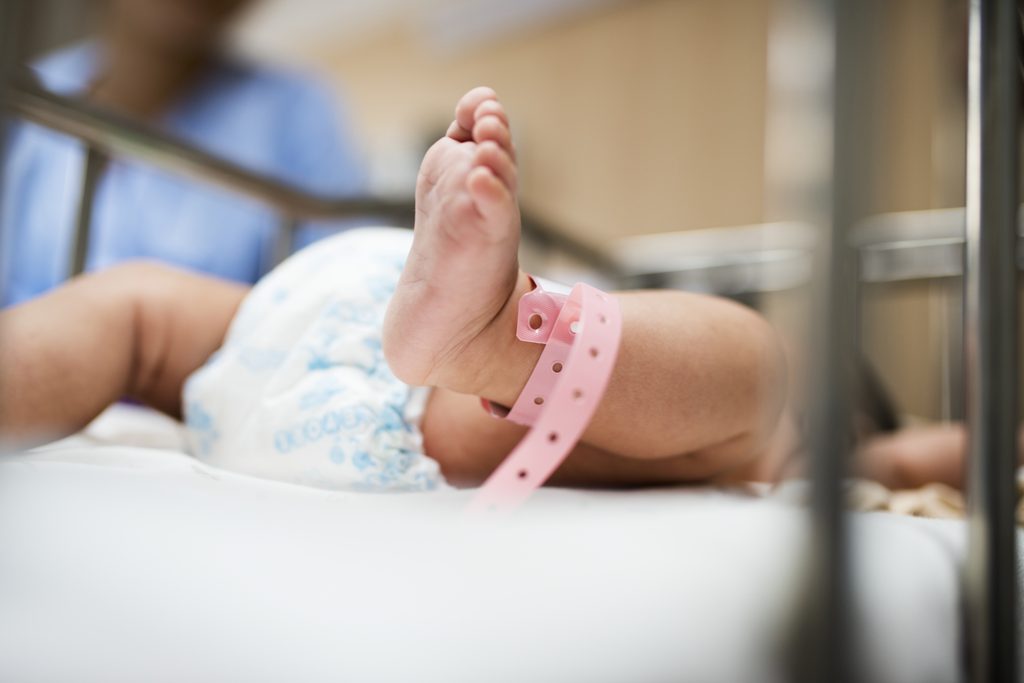
When a newborn tests positive for SMA through screening, time becomes a decisive factor. «First and foremost, a mechanism capable of responding very quickly must be set in motion. When we have a positive screening result, it must be confirmed and, following further assessments, the newborn must quickly begin treatment», explains Professor Fagioli.
The aim is to intervene before the disease causes irreversible damage to motor neurons. «It has been scientifically documented that the earlier treatment is administered, the better the patient’s prognosis, because the greater the number of motor neurons we are able to save and preserve in the newborn. In this way, we can ensure a good quality of life», she stresses. For this reason, once the diagnosis has been confirmed, it is necessary to refer the child to a highly specialised centre. «Genetic confirmation and care by a specialist paediatric neurology or neuropsychiatry centre are necessary», she adds.
How gene therapy for SMA works
In recent years, research has transformed a disease that until not long ago had a very severe prognosis into a condition for which there is now a genuine therapeutic option. «Gene therapy is based on the functional replacement of a gene, the SMN1 gene, which is the gene that is absent or altered in SMA», explains Professor Fagioli. The treatment uses a modified viral vector that carries a functional copy of the gene into the cells.
«This gene is replaced through a modified, non-pathogenic viral vector that carries a functional copy of the gene into the cells», she explains. According to the specialist, the scientific progress achieved in this field is opening up increasingly important prospects for other genetic conditions as well. «The major scientific progress made in this field has also allowed us to say that, for a serious disease such as SMA, the word ‘cure’ is not a pipe dream, but can become a reality for newborns who are identified early», she says.
The pre-symptomatic stage is crucial
One of the aspects that most influences the effectiveness of treatment is the time at which it is administered. In the case reported by Revée News involving baby Giulia, a fictional name, treatment began before symptoms had even appeared. «Treatment must certainly be administered before the newborn shows any type of functional impairment, and therefore before the damage has become apparent», explains Professor Fagioli.
When this happens in the first weeks of life, the outlook changes dramatically. «If treatment is administered within the first weeks of life, we have a child who develops normal motor skills, as well as normal cognitive abilities, and acquires all the skills expected at that stage of life», she stresses.
Follow-up after treatment
Gene therapy represents the beginning of a journey that continues over the years through regular specialist check-ups. «As far as follow-up is concerned, it is quite complex. It is necessary to monitor the acquisition of all normal functions appropriate for each age group, both from a motor and neurological point of view», explains Professor Fagioli. The scientific literature currently available is extensive, but as this is a relatively recent therapy, questions remain about its effects over the very long term. «It is clear that this is a new therapy. Although there are many published studies and a great deal of supporting literature, the actual long-term side effects are obviously not yet known, because we have a history spanning years, but we cannot know what will happen in twenty, thirty or forty years», she observes.
The data collected so far, however, are encouraging. «All preclinical safety tests have been positive, as have all the published results, and we are therefore naturally optimistic about any potential toxicity as well», she adds.
The future of newborn screening
The experience gained with SMA is now opening up new prospects for the entire newborn screening programme.
Professor Fagioli recalls the NeoGen project, developed in Turin, which expanded the very concept of early diagnosis. «In Turin, we carried out a study called NeoGen, which we have already published, in which we screened 4,200 newborns for 500 genetic diseases that could be treated early», she explains. The experience demonstrated how numerous conditions can benefit from being identified in the very first days of life. «This study taught us a great deal. For example, that some diseases must be screened for», she explains. Alongside conditions that can now be treated with gene therapy, there are others in which an early diagnosis makes it possible to intervene with much simpler strategies. «There are diseases that can be prevented simply through diet», the specialist notes, citing phenylketonuria* as an example. The same applies to certain immunodeficiencies, as well as haematological, cardiac and metabolic conditions, where anticipating the diagnosis means being able to promptly plan the most appropriate treatment.
Paediatrics increasingly focused on prevention
According to Professor Fagioli, the future of paediatrics will increasingly depend on the ability to recognise diseases early and intervene before they produce permanent consequences. «Paediatrics must be about prevention, both primary and secondary, but above all it must ensure that our children grow by developing their abilities», she says. It is a vision that aims not only to treat, but to offer children the opportunity to fully develop their potential. «This also makes our profession easier because we are able to help them earlier and, naturally, enable them to become adults who are fully integrated into society», Professor Fagioli concludes. Today, newborn screening and gene therapy have changed the natural history of SMA. Tomorrow, thanks to advances in genetic research and the expansion of screening programmes, the same approach could transform the outlook for many other rare diseases, making early diagnosis one of the most effective tools in modern paediatric medicine.
*Editor’s note: also known as PKU, from the English Phenylketonuria, it is a rare inherited genetic metabolic disorder that prevents the body from breaking down phenylalanine, an essential amino acid found in almost all protein-containing foods.








Alzheimer’s and Ambiguous Loss: The Grief of Caring for a Loved One

Orthopedic Surgery, Robotics and Regenerative Medicine: What Changes for Patients

Plastic Surgery Between Innovation and Reconstruction: Bari Hosts the 74th SICPRE National Congress

Vascular Diseases: From Prevention to New Treatments

Regenerative Plastic Surgery: Our Own Tissues Become Treatment

Early Diagnosis and Gene Therapy: The Breakthrough Reshaping the Future of Newborns with SMA

Facelift Surgery: Respecting the Person’s Identity

Your skin is talking to you. Are you listening?

Body Fat: Removing It Is Not Enough

Respiratory Allergies: What Is Changing?

Treating the Wound to Support Surgical Success

Quality, safety, and trust: the value of ISO 13485 certification

Biorevitalization: Beyond the Promises of Creams

Trichology: what your hair can reveal about your health

Lipedema: it’s not enough to look at body weight

Lipoedema: The Unresolved Challenge of Delayed Diagnosis

After weight loss, the body changes twice: the role of plastic surgery in body contouring

Skin cancer: warning signs not to ignore and new treatments that are changing the prognosis

Lipedema and physiotherapy in managing the condition
Alzheimer’s and Ambiguous Loss: The Grief of Caring for a Loved One
Biorevitalization: Beyond the Promises of Creams
Trichology: what your hair can reveal about your health
Respiratory Allergies: What Is Changing?
Lipedema: it’s not enough to look at body weight
Quality, safety, and trust: the value of ISO 13485 certification
Treating the Wound to Support Surgical Success
Body Fat: Removing It Is Not Enough
Regenerative Plastic Surgery: Our Own Tissues Become Treatment
Facelift Surgery: Respecting the Person’s Identity
Your skin is talking to you. Are you listening?
Plastic Surgery Between Innovation and Reconstruction: Bari Hosts the 74th SICPRE National Congress
Early Diagnosis and Gene Therapy: The Breakthrough Reshaping the Future of Newborns with SMA
Vascular Diseases: From Prevention to New Treatments