Medical doctors and Surgeons
From Bariatric Surgery to Body Contouring: A Journey That Does Not End with Weight Loss

Losing a significant amount of weight can bring about profound changes, but reaching a target weight does not necessarily mark the end of the journey. Following substantial weight loss, the body may develop skin laxity, loss of tissue volume, and changes in body contours affecting several areas, from the abdomen and breasts to the arms and thighs.
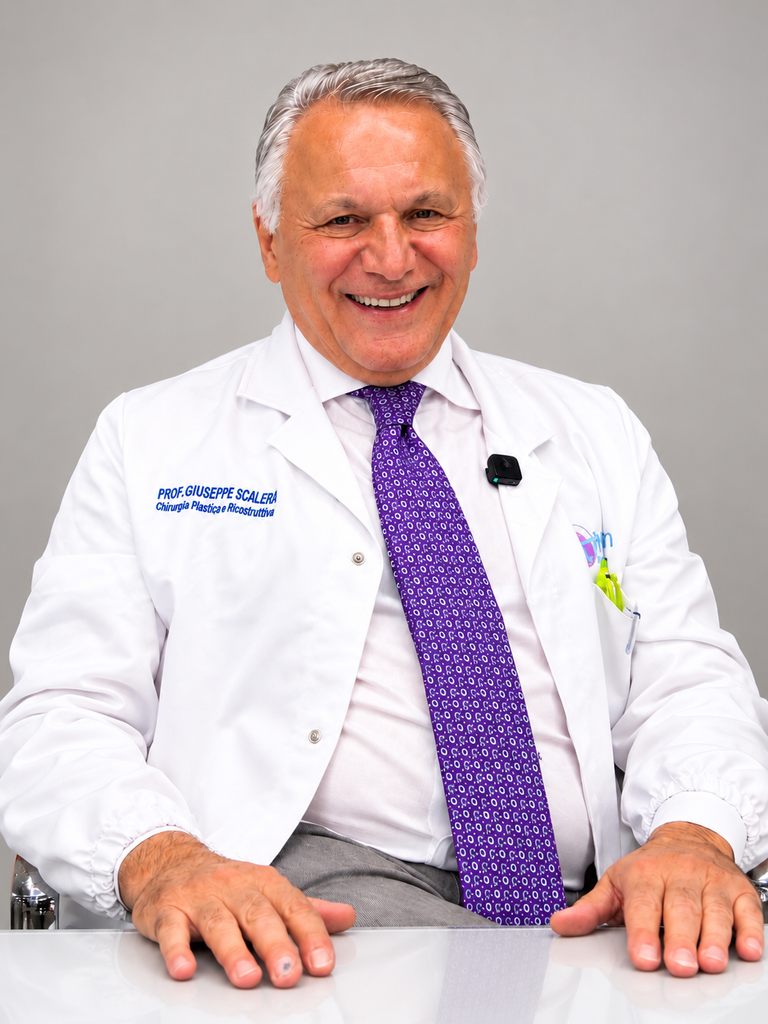
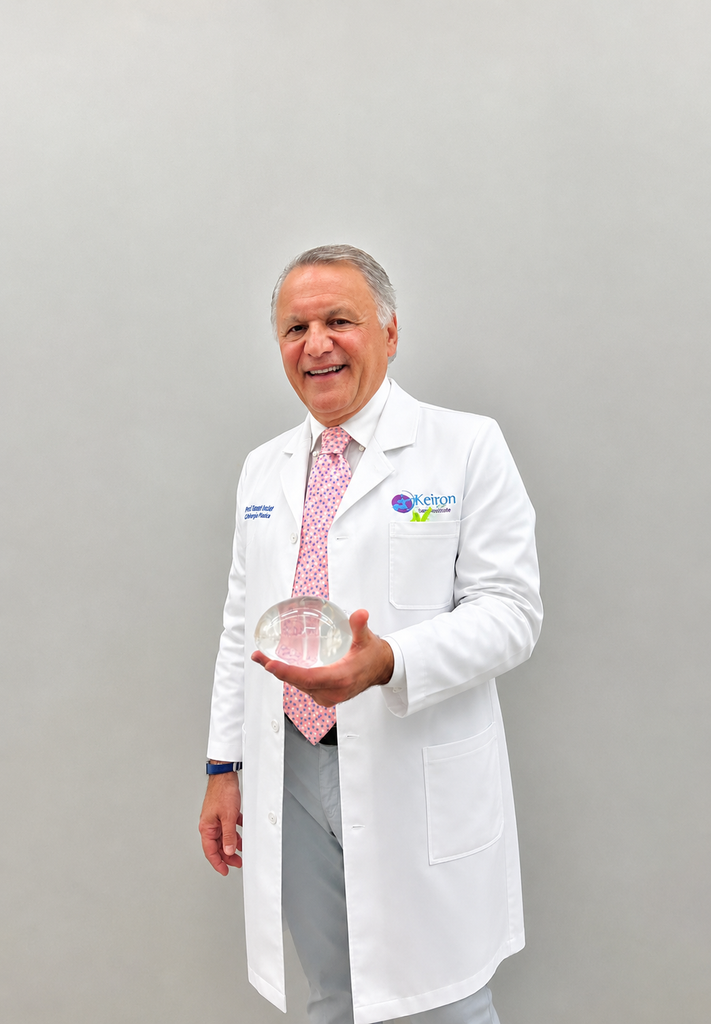
This is where bariatric surgery and plastic surgery can become two stages of a comprehensive treatment journey. Professor Giuseppe Scalera, a general surgeon based in Naples, explains how these specialties can complement one another. With extensive training at the University of Naples and hospitals in Paris, his clinical practice encompasses both general and plastic surgery.
Bariatric Surgery: What Treatment Options Are Available Today?
In recent years, the treatment of obesity has evolved to include a wider range of options. Alongside bariatric surgery, Professor Scalera highlights the use of intragastric balloons and pharmacological weight-loss therapies in appropriately selected patients.
However, surgery continues to play a central role in the treatment of severe obesity, particularly when non-surgical approaches have failed to achieve satisfactory results.
Among the available bariatric procedures, Scalera mentions gastric bypass, mini-gastric bypass, and sleeve gastrectomy, while noting that he stopped performing gastric banding several years ago.
In his clinical practice, he considers sleeve gastrectomy a particularly physiological approach. Performed laparoscopically, the procedure involves a substantial reduction in stomach volume.
“Sleeve gastrectomy is a procedure that I can now perform laparoscopically in approximately one hour. It involves reducing the volume of the stomach by around 80%,” the professor explains.
The procedure also involves removing the gastric fundus, a region associated with the production of ghrelin, a hormone involved in appetite regulation. According to Professor Scalera, when performed correctly, the procedure contributes not only to weight loss but also to long-term weight maintenance.
How Does the Body Change After Significant Weight Loss?
Substantial weight loss can leave visible changes in several areas of the body. As a result, treatment may need to address more than one anatomical region.
“After bariatric surgery, the changes affecting the body are truly comprehensive, involving the entire body,” Scalera points out.
Among the most common changes he observes are loss of breast volume and abdominal skin laxity. However, the buttocks, inner thighs, arms, and neck may also be affected.
This is where post-bariatric plastic surgery may become an option, with procedures tailored to each patient’s individual characteristics and needs.
The aim is to address the physical changes resulting from significant weight loss, identifying which areas require treatment and establishing the appropriate order of priority.
Post-Bariatric Surgery: How Do You Know When the Time Is Right?
Before planning body contouring surgery, it is important for the weight-loss process to have reached a stable phase.
“We generally allow at least one year for excess weight loss. We wait for the patient’s weight to stabilise, ideally bringing their BMI to around 25, or at most 27–28. At that point, we assess which areas of the body should be prioritised for surgery,” Scalera explains.
Surgical planning therefore depends on more than the desire to correct a particular area. The patient’s overall health, achieved weight, and ability to undergo surgery safely must all be considered.
In some cases, several procedures can be combined during a single surgical session. One common request, for example, is to combine a breast lift (mastopexy) with an abdominoplasty (tummy tuck).
However, one principle must always take priority: patient safety.
Body Contouring Without Compromising Safety
Following substantial weight loss, it is understandable that patients may wish to address several areas of the body at once. For Scalera, however, the transformation must be carefully planned to avoid unnecessarily increasing surgical risks.
“My guiding principle is to achieve a transformation of the patient’s body while ensuring their safety,” he emphasises.
For this reason, the surgeon explains that he avoids excessively long procedures.
“When it comes to operating time, I prefer never to exceed five to six hours,” he says.
Prolonged surgery can increase certain risks, including hypothermia. The decision to combine multiple procedures must therefore be assessed on a case-by-case basis. When necessary, the treatment journey can be divided into several surgical stages.
Why the Preoperative Assessment Is Essential in Post-Bariatric Surgery
Preventing complications begins well before the patient enters the operating theatre.
“There can be many risks, but the most important aspect is the preoperative assessment,” Scalera explains.
In his clinical practice, this assessment is also carried out in collaboration with anaesthesiologists. It includes reviewing blood test results and evaluating any underlying conditions, such as cardiovascular or respiratory diseases, diabetes, drug allergies, and other factors that may affect surgical safety.
Particular attention is paid to smoking.
“Smoking may seem like an insignificant factor,” the professor observes, but it can have serious consequences for the body’s ability to heal.
Scalera explains that smoking impairs subcutaneous microcirculation and tissue perfusion, increasing the risk of wound-healing complications.
Among the possible complications, he highlights wound dehiscence, which refers to the partial or complete reopening of a surgical wound. This may require additional treatment and significantly prolong recovery.
Long-Term Results Also Depend on Postoperative Care
Surgery is only one part of the treatment journey. Once patients return home, their behaviour and adherence to medical advice can also influence postoperative recovery.
When asked how important it is to follow the surgeon’s instructions, Scalera is unequivocal:
“It is essential.”
The professor particularly emphasises the importance of correctly following prescribed postoperative treatments, including pain management and antibiotic therapy when indicated.
“It may seem like a minor detail, but a patient who fails to follow their prescribed antibiotic treatment correctly on the first postoperative day may expose themselves to an increased risk of infection and surgical wound dehiscence,” he explains.
The post-bariatric journey therefore emerges as a process that extends far beyond the number displayed on the scales.
Weight loss, weight stabilisation, preoperative assessment, plastic surgery, and postoperative recovery are distinct yet interconnected stages that must be carefully planned according to each patient’s individual needs, clinical condition, and recovery timeline.
Body contouring can thus represent the final stage of a much broader journey. It is not simply about reshaping the body after weight loss, but about achieving that transformation while prioritising patient safety, balanced proportions, and sustainable long-term results.









From Bariatric Surgery to Body Contouring: A Journey That Does Not End with Weight Loss

Seno Sereno: Prevention, Breast Reconstruction and Coordinated Care Pathways

Libellule: Supporting Women Through Breast Cancer

Regenerative Plastic Surgery: Rome to Host an International Conference on New Frontiers in Regeneration

Social Media, Cosmetic Surgery and the Risk of Trivialisation

Lymphoma: From Diagnosis to New Treatments, Every Patient Has a Different Journey

Breast Cancer: From Prevention to Treatment

Alzheimer’s and Ambiguous Loss: The Grief of Caring for a Loved One

Orthopedic Surgery, Robotics and Regenerative Medicine: What Changes for Patients

Plastic Surgery Between Innovation and Reconstruction: Bari Hosts the 74th SICPRE National Congress

Vascular Diseases: From Prevention to New Treatments

Regenerative Plastic Surgery: Our Own Tissues Become Treatment

Early Diagnosis and Gene Therapy: The Breakthrough Reshaping the Future of Newborns with SMA

Facelift Surgery: Respecting the Person’s Identity

Your skin is talking to you. Are you listening?

Body Fat: Removing It Is Not Enough

Respiratory Allergies: What Is Changing?

Treating the Wound to Support Surgical Success

Quality, safety, and trust: the value of ISO 13485 certification
Alzheimer’s and Ambiguous Loss: The Grief of Caring for a Loved One
Regenerative Plastic Surgery: Our Own Tissues Become Treatment
Facelift Surgery: Respecting the Person’s Identity
Body Fat: Removing It Is Not Enough
Plastic Surgery Between Innovation and Reconstruction: Bari Hosts the 74th SICPRE National Congress
Breast Cancer: From Prevention to Treatment
Early Diagnosis and Gene Therapy: The Breakthrough Reshaping the Future of Newborns with SMA
Libellule: Supporting Women Through Breast Cancer
Your skin is talking to you. Are you listening?
Orthopedic Surgery, Robotics and Regenerative Medicine: What Changes for Patients
Vascular Diseases: From Prevention to New Treatments
Social Media, Cosmetic Surgery and the Risk of Trivialisation
Regenerative Plastic Surgery: Rome to Host an International Conference on New Frontiers in Regeneration
Lymphoma: From Diagnosis to New Treatments, Every Patient Has a Different Journey
Seno Sereno: Prevention, Breast Reconstruction and Coordinated Care Pathways