Medical doctors and Surgeons
Breast Reconstruction: a woman-centered journey

When it comes to breast reconstruction, there is no one-size-fits-all approach. In recent years, surgical techniques have made extraordinary progress, offering every woman the opportunity to reclaim her image and sense of balance. Breast reconstruction is a highly personalized process, with tailored techniques that consider each patient’s physical traits, personal needs, and desires. It’s a path designed not only to restore form but also to rebuild confidence and peace of mind.
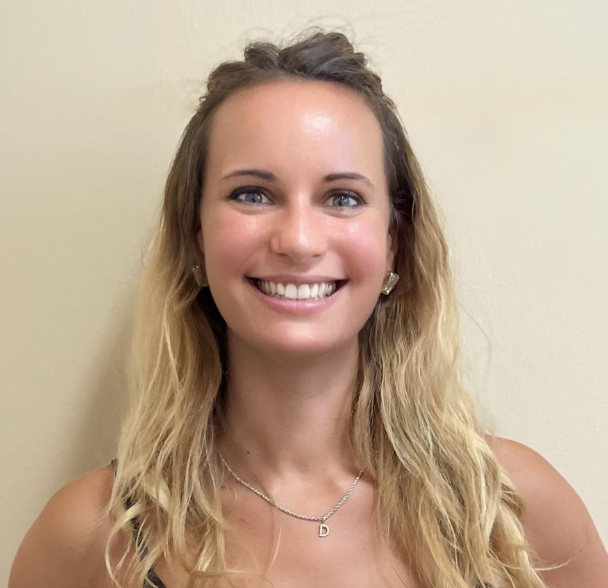
«There are three key factors that, in my opinion, must be considered when planning a reconstructive procedure», explains Dr. Diletta Maria Pierazzi, a specialist in plastic, reconstructive, and aesthetic surgery with two years of experience and a collaborator with the Breast Unit at San Donato Hospital in Arezzo. «First, the characteristics of the tumor, its size, histology, and location within the mammary gland. Second, the patient’s physical and anatomical traits, particularly the condition of the breast and tissue quality. And third, the patient’s personal wishes. It’s essential to have a conversation, explain the available reconstructive options, and, whenever possible, decide together on the most suitable procedure».
Dr. Pierazzi emphasizes the importance of a multidisciplinary team when managing each case. Collaborating with other specialists in the Breast Unit, especially the breast surgeon, but also the radiation oncologist, pathologist, and radiologist, allows for well-informed planning. «For us plastic surgeons, it’s crucial to understand any potential oncological or radiotherapy treatment that the patient might undergo», she adds.
Innovative techniques that transform lives
There are two primary types of procedures that may involve breast reconstruction: conservative and non-conservative. In conservative surgeries, part of the breast tissue is preserved; in non-conservative ones, the gland is entirely removed.
«In conservative surgeries, such as quadrantectomies, the plastic surgeon can reshape the remaining breast tissue or use local tissue flaps to restore lost volume – says Dr. Pierazzi – In mastectomy cases, where the entire mammary gland is removed, reconstruction can be performed using prosthetic devices, tissue expanders, or autologous techniques that utilize the patient’s own tissue».
She also mentions “hybrid reconstructions,” which combine both autologous and heterologous techniques, using implants alongside lipofilling (fat grafting) to refine the prosthetic contour.
Establishing open communication to understand each patient’s true wishes is crucial. Age, Dr. Pierazzi stresses, should never be a deciding factor. «There’s no age limit for breast reconstruction. I’ve treated many older patients in my clinic who had a strong desire to undergo reconstruction».
Phases of reconstruction
Reconstruction can be immediate or delayed. Immediate reconstruction is performed at the same time as the mastectomy, while delayed reconstruction is scheduled at a later date. «In my opinion, immediate reconstruction, whether with implants or autologous tissue, is preferable. It offers many benefits from an aesthetic, functional, and psychological perspective. The patient leaves the hospital already having taken an important, nearly final, step in their reconstructive journey», Dr. Pierazzi explains.
In the months following surgery, additional lipofilling procedures may be performed to correct irregularities or relieve discomfort in areas affected by removal and reconstruction. If necessary, the nipple-areola complex can also be reconstructed at a later stage.
Prosthetics: yes, no, and when?
Reconstruction with implants is the most commonly used method in Italy and abroad. Modern implants are highly safe and provide aesthetically pleasing results with shorter surgical times and hospital stays. However, as foreign bodies, they may pose short- or long-term risks.
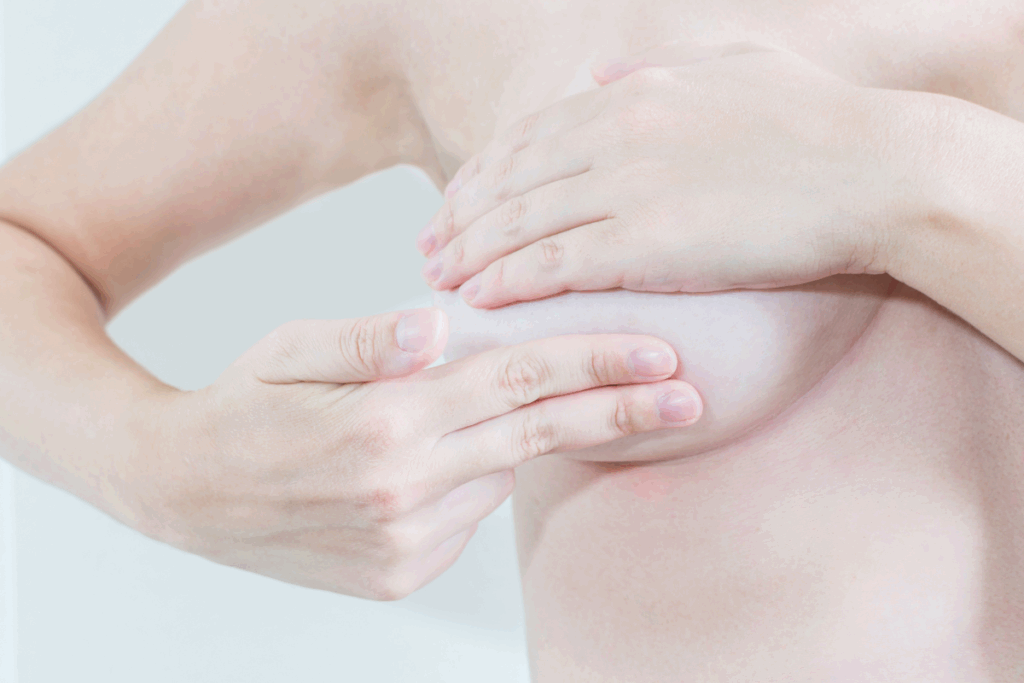
«Ongoing follow-up is essential: outpatient visits and diagnostic imaging are key to catching even the slightest complication related to the implanted devices», says Dr. Pierazzi.Autologous reconstruction, which uses the patient’s own tissue, often from the abdomen, offers a more natural, stable, and long-lasting result.
However, it involves longer surgical times and a more demanding recovery. «Each method has its pros and cons. The right approach must be planned based on the individual patient, weighing the advantages and limitations of each option», Dr. Pierazzi concludes.








Breast Cancer: From Prevention to Treatment

Alzheimer’s and Ambiguous Loss: The Grief of Caring for a Loved One

Orthopedic Surgery, Robotics and Regenerative Medicine: What Changes for Patients

Plastic Surgery Between Innovation and Reconstruction: Bari Hosts the 74th SICPRE National Congress

Vascular Diseases: From Prevention to New Treatments

Regenerative Plastic Surgery: Our Own Tissues Become Treatment

Early Diagnosis and Gene Therapy: The Breakthrough Reshaping the Future of Newborns with SMA

Facelift Surgery: Respecting the Person’s Identity

Your skin is talking to you. Are you listening?

Body Fat: Removing It Is Not Enough

Respiratory Allergies: What Is Changing?

Treating the Wound to Support Surgical Success

Quality, safety, and trust: the value of ISO 13485 certification

Biorevitalization: Beyond the Promises of Creams

Trichology: what your hair can reveal about your health

Lipedema: it’s not enough to look at body weight

Lipoedema: The Unresolved Challenge of Delayed Diagnosis

After weight loss, the body changes twice: the role of plastic surgery in body contouring

Skin cancer: warning signs not to ignore and new treatments that are changing the prognosis
Alzheimer’s and Ambiguous Loss: The Grief of Caring for a Loved One
Biorevitalization: Beyond the Promises of Creams
Trichology: what your hair can reveal about your health
Respiratory Allergies: What Is Changing?
Quality, safety, and trust: the value of ISO 13485 certification
Regenerative Plastic Surgery: Our Own Tissues Become Treatment
Treating the Wound to Support Surgical Success
Body Fat: Removing It Is Not Enough
Facelift Surgery: Respecting the Person’s Identity
Your skin is talking to you. Are you listening?
Plastic Surgery Between Innovation and Reconstruction: Bari Hosts the 74th SICPRE National Congress
Early Diagnosis and Gene Therapy: The Breakthrough Reshaping the Future of Newborns with SMA
Vascular Diseases: From Prevention to New Treatments
Orthopedic Surgery, Robotics and Regenerative Medicine: What Changes for Patients